


Understanding Your Bicycle Rider Rights and Why They Matter
If you ride a bicycle in traffic, your safety depends on more than a helmet and quick reflexes. It also depends on your bicycle rider rights (and responsibilities). These laws control how much space drivers must give you, when you can use the full lane, and what protections you have if something goes wrong. In simple terms, the law is one of your most important pieces of safety gear.
In many countries and U.S. states, traffic codes recognize cyclists as legitimate road users, not guests. Agencies such as the National Highway Traffic Safety Administration (NHTSA) and state Departments of Transportation promote these rules to improve visibility, predictability, and lane safety for everyone.
When you understand how those rules work, you can ride with more confidence, stand your ground when needed, and respond calmly when drivers do not follow the law.
This guide explains the most important bicycle rider rights, how safe motorist passing laws and lane-taking rules work, what to do if a driver ignores your rights, and the key legal steps to follow after a crash.
Why Bicycle Rider Rights Are Essential for Road Safety
On busy streets, small misunderstandings can turn into serious danger. Clear bicycle laws bring order to that chaos. They define where you can ride, how drivers must pass you, and which moves are legal at intersections. When you know these cyclist rights, you are better prepared to handle close calls, unfair blame, or conflicts with drivers.
These laws are not random. They exist to improve road safety by making everyone’s behavior more predictable. Drivers know what to expect from cyclists, and cyclists know when the law backs them up.
How Clear Laws Protect Cyclists From Common Risks
Most modern traffic codes include rules that directly defend bicycle rider rights. For example, many U.S. states require drivers to leave at least three feet (about one meter) when overtaking a cyclist. Some go further and require even more distance at higher speeds.
Other rules forbid drivers from throwing objects at cyclists, using their vehicle to threaten them, or honking aggressively in a way that could cause a crash.
These protections help in situations such as:
- A driver trying to squeeze past you in a narrow lane
- A vehicle drifting into a bike lane without looking
- A driver using their car or horn to intimidate you
- A passing maneuver so close it forces you toward the curb or parked cars
Knowing that these actions may violate the law gives you more confidence when responding and more strength if you later report the incident.
The Impact of Shared Responsibility Between Drivers and Cyclists
The law does not give bicycle riders unlimited freedom. It creates shared responsibility. Drivers must give you space, yield the right of way when required, and avoid cyclist harassment. In return, cyclists are usually expected to obey traffic signals, stop at red lights and stop signs, and use hand signals when turning or changing lanes.
This balance is important. Courts and police often look at whether each person behaved reasonably and followed the rules. When you ride in a predictable, lawful way, you not only stay safer, you also protect your legal position if a dispute or crash occurs. If that happens, it is wise to contact a team of experienced bicycle accident lawyers who can explain your rights and help you avoid mistakes that could weaken your claim.
Key Road Rights Every Cyclist Should Know
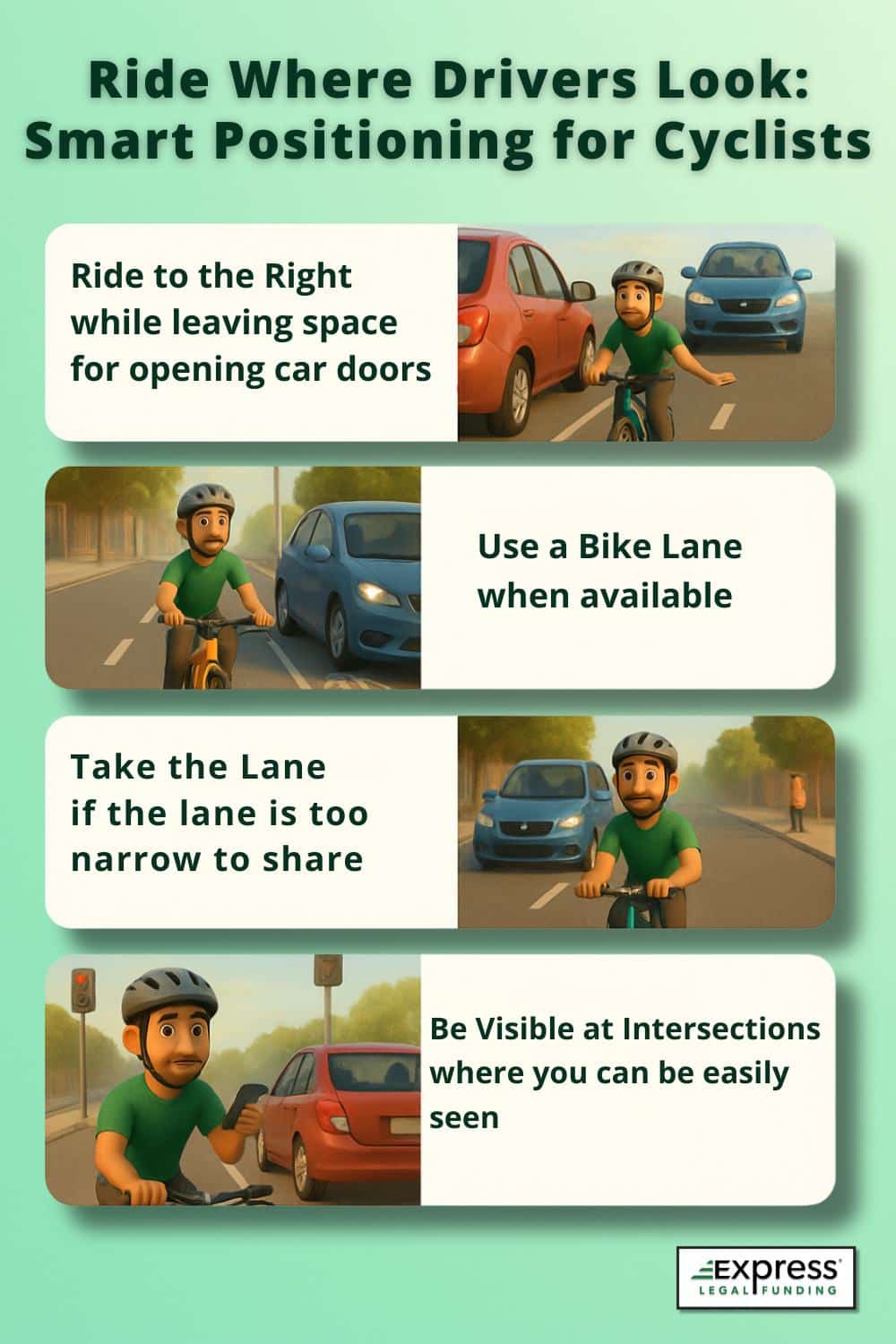
While details differ, most regions recognize core bicycle rider rights in their traffic codes. These include the right to ride on most roads, the right to a minimum passing distance, and the right to take the lane when it is not safe to share it.
Many areas also have specific bike lane rules defining when you must use a bike lane and when you may leave it.
Lane Control Rights: When Cyclists May Use the Full Lane
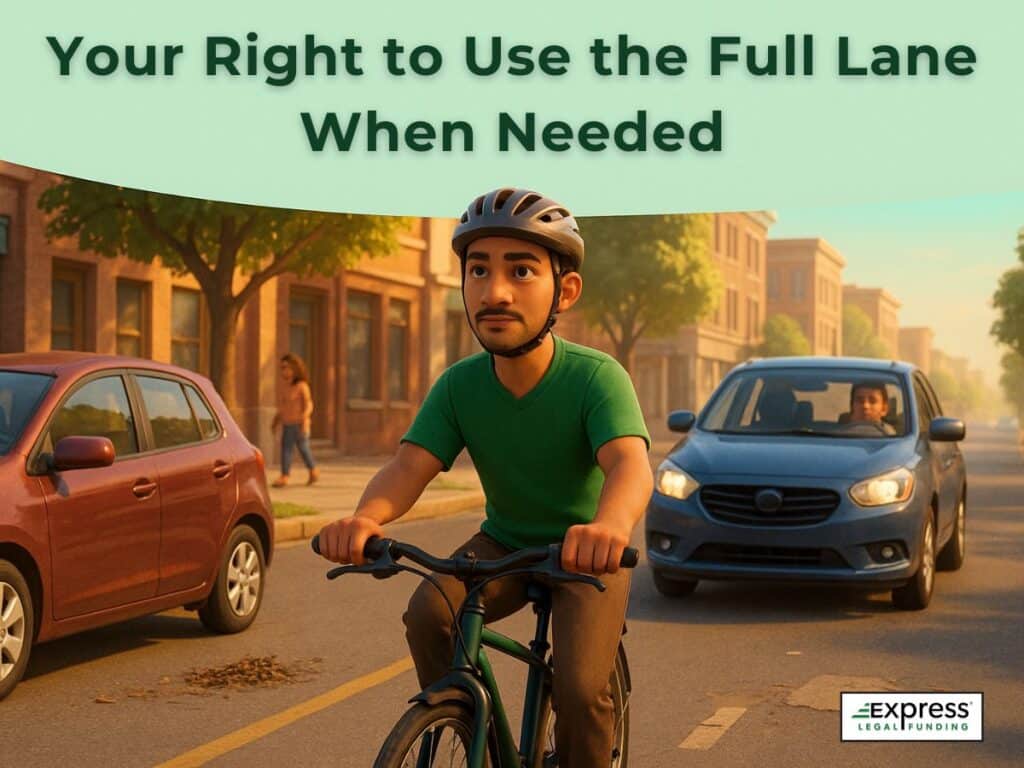
In many states, cyclists must ride “as far right as practicable,” but that phrase does not mean “hug the curb no matter what.” The same statutes usually list exceptions that allow you to move into or fully control the lane, including when:
- The lane is too narrow for a car and a bicycle to travel side by side safely
- There are parked cars and a risk of being “doored”
- The surface near the edge is broken, full of debris, or flooded
- You are preparing for a left turn or avoiding a hazard
For example, California Vehicle Code §21202 outlines when cyclists may leave the right-hand edge of the road — such as when the lane is too narrow to share safely, when avoiding debris or hazards, when preparing for a left turn, or when passing another vehicle — meaning cyclists are not required to “hug the curb” when doing so would be unsafe.
These lane-taking laws exist to protect you. If a lane is unsafe to share, moving into the center is not rude; it is a legally recognized safety measure.
Safe Passing Laws: How Much Space Drivers Must Give Cyclists
Safe passing laws in many states require drivers to give at least three feet (about one meter) of clearance when overtaking a cyclist. In Florida, for example, drivers must leave a minimum of three feet and can face enhanced penalties under the state’s vulnerable road user law.
Some states require four feet, or specify a distance that increases with speed. A few regions use a “safe and reasonable distance” standard without a fixed number, but the goal is the same: prevent sideswipe collisions and give a rider room to react to potholes or sudden gusts of wind.
These laws also often require drivers to change lanes if possible when passing a cyclist, just as they would for a slow-moving vehicle. When you know this, you can recognize clearly illegal behavior and, if necessary, reference the law when reporting dangerous road incidents.
Intersection Safety for Cyclists: How to Turn, Signal, and Claim Your Space
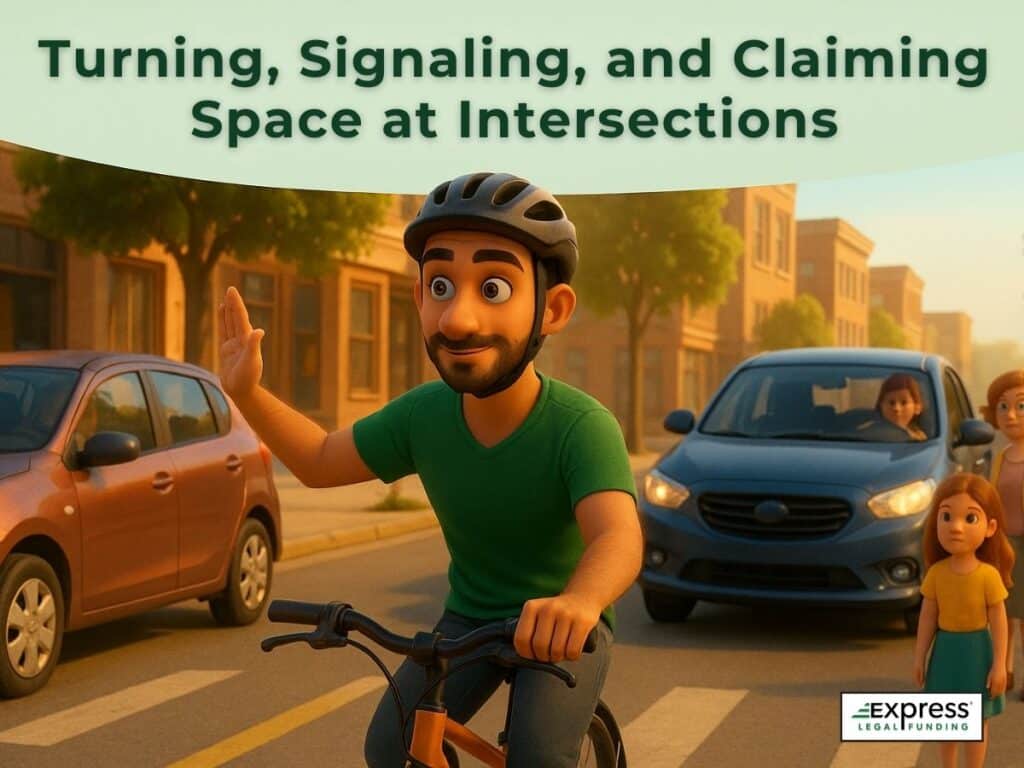
Intersections are where many crashes occur, which is why traffic codes pay close attention to them. In most places, cyclists must obey the same signals as drivers and are allowed to use turn lanes, go straight through green lights, and assert their position where they are clearly visible.
To apply the law effectively and stay safe at intersections, it helps to:
- Signal your turn early with clear hand signals
- Position yourself in the correct lane for your intended direction
- Avoid stopping in a driver’s blind spot, especially near large vehicles
- Make eye contact with drivers when possible to confirm they have seen you
These habits line up with legal expectations for visible, predictable movement and reduce the chance a driver can claim they “didn’t see you” or didn’t know what you were doing.
Challenging Road Conditions: How Cyclists Can Stay Safe
Real-world riding often means dealing with heavy traffic, poor lighting, or missing bike lanes. Laws set the minimum standard, but smart cycling safety tips help you go beyond the bare legal requirements and protect yourself in daily urban riding and on rural roads.
Riding Safely in Heavy Traffic
In congested areas, you are safer when drivers can predict what you will do. Hold a steady line, avoid weaving between parked cars, and do not ride between moving lanes of traffic unless local law clearly allows filtering or lane splitting. Many states also require front and rear lights at night and sometimes during low-visibility conditions. Good compliance with these night cycling safety rules enhances both your legal protection and your physical safety.
What to Do on Roads With Poor Infrastructure
Some roads have no bike lanes, narrow shoulders, or rough surfaces. In such places, the “as far right as practicable” standard still includes your judgment. If riding too close to the edge would put you at risk, the law in many regions allows you to move left and use more of the lane.
Documenting repeat hazardous locations and reporting them to your local transportation or public works department can also lead to future improvements.
When Local Laws Differ and How to Adapt Quickly
If you travel between different cities or states, do not assume the rules are identical. Sidewalk riding, mandatory bike lane use, and equipment requirements vary widely. Before riding in a new area, check local transportation or state statute websites for their cycling section.
A few minutes of research can prevent tickets and confusion, and help you respect both your own rights and the rules of that region.
When a Driver Ignores Your Rights: How to Respond Safely
Even the best bicycle rider rights cannot prevent every conflict. Some drivers will still pass too closely, shout threats, or cut you off. Understanding how to respond safely and legally is key to handling cyclist harassment, dangerous road incidents, and reporting unsafe drivers.
Staying Calm and Protecting Yourself in a Stressful Moment
When a driver behaves aggressively, your first priority is to avoid escalation. Do not chase the vehicle or argue in the middle of traffic. If you can, move to a safe area off the roadway. Take note of what happened, but keep your voice and actions controlled. Your calm behavior can later support your credibility if the event is reviewed by the police or insurance.
Gathering Information After a Dangerous Encounter
If the situation is serious enough to report, treat it as a potential legal matter. Try to record:
- The vehicle’s make, model, color, and license plate number
- The exact location, date, and time of the incident
- A clear description of what the driver did and how you reacted
- Names and contact details of any witnesses who saw what happened
If it is safe, photos or short video clips taken immediately afterward can also help. This evidence makes it much easier for officers or a court to understand why the behavior was dangerous and possibly illegal.
When and How to Contact Authorities
If you feel threatened, nearly hit, or struck, call emergency services or the non-emergency police number as soon as you are safe. Ask how to file a report and, when appropriate, request a copy of that report for your records. In more serious cases, or if you suffered injury or property damage, speaking with an attorney who handles bicycle cases can clarify your options and help you assert your rights.
Essential Steps to Take After a Bicycle Crash
After a crash, emotions run high, and details can blur. Having clear bike accident steps in mind helps you protect both your health and your legal position. Many of the same principles appear in guidance from safety agencies and lawyers who handle personal injury claims for cyclists.
Making Sure You Are Safe First
If you are able, move yourself out of the path of traffic and check your body carefully. Some injuries are not obvious at first, especially head, neck, or internal injuries. When in doubt, call 911 or your local emergency number. Let trained medical staff examine you, even if you think you are “just shaken up.”
Exchanging Details and Documenting the Scene
If another road user was involved, exchange names, phone numbers, and insurance information. Ask for the police to respond and create an official report; this document often becomes a key part of any post-crash checklist.
Take photos of the scene, your bike, any visible injuries, skid marks, and traffic signs or signals in the area. Keep your damaged helmet, clothing, and equipment, as they may later serve as evidence of the force of impact.
Avoid admitting fault at the scene. It is common to feel guilty or confused after a crash, but responsibility is often more complex than it first appears and may depend on specific statutes and evidence.
Getting Medical or Legal Help When Needed
If pain appears later, or if you have any doubts about your condition, see a doctor promptly and follow their advice. If the crash caused significant injury, time off work, or disputes with an insurance company, consulting a lawyer or law firm that focuses on bicycle rider rights, commonly referred to as bicycle accident attorneys, can help you understand your options, deadlines, and likely outcomes.
Relevant read: Why Insurance Companies Stall Claims: Top Delay Tactics
Smart Habits That Help You Stay Safe on the Road
Beyond the letter of the law, your daily habits can greatly reduce your risk. Practicing defensive cycling means assuming that not every driver sees you, and riding in a way that gives you extra time and space to react.
At the same time, increasing your visibility on the road supports the core goals of traffic law: predictability and clear communication.
Positioning Yourself Where Drivers Expect You to Be
When your position matches your path, drivers can better understand your intentions. Choose a lane position that is straight, visible, and consistent with where you are going. Avoid sudden swerves around parked cars or into gaps that may close quickly. Signal clearly before changing lanes or turning so drivers can adjust smoothly.
Making Yourself Clearly Visible Day and Night
Many laws require a white front light and a red rear light when riding at night or in low-light conditions, along with reflectors. Meeting these requirements is the minimum. For better protection, consider higher-quality lights, reflective details on your bike or clothing, and steady rather than flashing patterns where local law prefers them.
Visibility is one of the main reasons these laws exist: the sooner a driver sees you, the more options they have to pass safely.
Learning to Read Traffic Behavior Before It Happens
Over time, you will start to notice patterns in how drivers behave—hesitation before a turn, a wheel rolling forward at a stop sign, or a car drifting toward a driveway. Watching for these small signs gives you early warning of what may happen next. Combined with clear knowledge of your bicycle rider rights, this awareness helps you avoid many conflicts before they begin.
How Express Legal Funding Helps Cyclists After an Accident
A bicycle crash can create sudden financial pressure long before an insurance company makes an offer. Medical bills, lost income, and the cost of repairing or replacing your bike can add up quickly, especially when liability is contested or an insurer delays the claim. That’s where pre-settlement funding can help.
At Express Legal Funding, we provide financial support to personal injury and accident victims, including cyclists injured by negligent drivers. Legal funding is non-recourse, meaning you only repay the advance if your case settles or you win compensation. If your attorney does not recover money for your claim, you owe nothing back.
Pre-settlement funding can be especially helpful in bicycle accident cases because injured cyclists often face:
- Ongoing medical treatment or rehabilitation
- Time away from work due to injuries
- Disputes with drivers or insurers over fault
- Delays caused by investigations or medical record reviews
Our approval process is fast and simple. After you apply, we contact your attorney, review the strength of your claim, and determine how much funding you may qualify for. Many qualified clients receive funding in less than 24 hours once approved.
Legal funding allows you to cover essential living expenses while your attorney continues fighting for the fair settlement you deserve. Instead of feeling pressured to accept a low or early offer, you can focus on your recovery and let your case move forward at the right pace.
Apply for Bicycle Accident Lawsuit Funding Now
If you’ve been injured in a bicycle accident, don’t let medical bills or lost wages put your recovery on hold.
At Express Legal Funding, we help cyclists like you get the financial support they need while waiting for their legal case to settle.
- ✅ Fast approvals – Many applicants receive funds within 24 hours.
- ✅ No repayment if you lose your case – Our funding is non-recourse, meaning you owe nothing unless you win or settle.
- ✅ Simple application process – We work directly with your attorney to secure your advance quickly and efficiently.
👉 Apply for Bicycle Accident Legal Funding Now and get the relief you deserve while your attorney fights for your full compensation.
Key Takeaways: Your Rights Make You Safer on the Road When Riding Your Bike
Your bicycle rider rights are not abstract ideas; they are practical tools that shape how you share the road every day. By understanding safe passing laws, lane-taking rules, equipment requirements, and your options after a crash, you ride with more control over both your safety and your legal position.
When those rights are combined with calm reactions, clear communication, and solid riding habits, you are far better prepared to stay safe on the road and to stand up for yourself when it truly matters.
Bicycle Rider Rights: Legal and Road Safety FAQs
What rights do bicycle riders have on the road?
Bicycle riders generally have the same rights and responsibilities as drivers. Cyclists may use most public roads, take the lane when needed for safety, receive a minimum passing distance from drivers, and expect protection from harassment or dangerous overtaking. These rights help ensure predictable traffic behavior and support cyclist safety in busy or mixed-use areas.
How much space must drivers give a cyclist when passing?
Most U.S. states require drivers to give cyclists at least three feet of clearance when passing, though some require four feet or more distance at higher speeds. A few states use a “safe and reasonable distance” standard. These laws prevent sideswipe collisions and ensure riders have space to react to hazards, debris, or sudden movements.
Can cyclists take the full lane in traffic?
Yes. Cyclists may take the full lane when it is too narrow to share safely, when avoiding hazards, when preparing for a left turn, or when parked cars create a risk of being “doored.” Lane-taking laws help make cyclists more visible and prevent unsafe passing in tight or unpredictable conditions.
When can a cyclist legally leave the bike lane?
Cyclists can typically leave a bike lane when it is unsafe—such as when debris, parked vehicles, flooding, or poor pavement make the lane hazardous. Riders may also exit to turn, pass slower traffic, or position themselves more clearly at intersections. Most traffic codes require bike lane use only when it is safe and reasonably practical.
What should I do if a driver threatens me or passes too closely when I’m riding my bicycle?
Move to a safe area and avoid escalating the situation. Record details such as the vehicle’s license plate, location, and what the driver did. If possible, gather witness information and take photos. Threatening behavior, intentional close passes, and aggressive honking can violate cyclist-protection laws and should be reported to police when appropriate.
What steps should I take after a bicycle accident?
First, move out of traffic and call 911 if you’re injured or unsure. Exchange information with the driver, request a police report, and document the scene with photos. Keep damaged gear as evidence and avoid admitting fault. Seek medical attention promptly. If injuries or insurance disputes arise, consider speaking with a bicycle accident lawyer.
Can I get pre-settlement funding for a bicycle accident injury case?
Yes. Many bicycle accident injury cases can qualify for pre-settlement funding, especially when a negligent driver is at fault. The cash advance is based on the strength of your claim, liability evidence, and your attorney’s cooperation. Because legal funding is non-recourse, you only repay if you win or settle. Nationally recognized companies like Express Legal Funding regularly review and fund qualifying bicycle accident cases.

