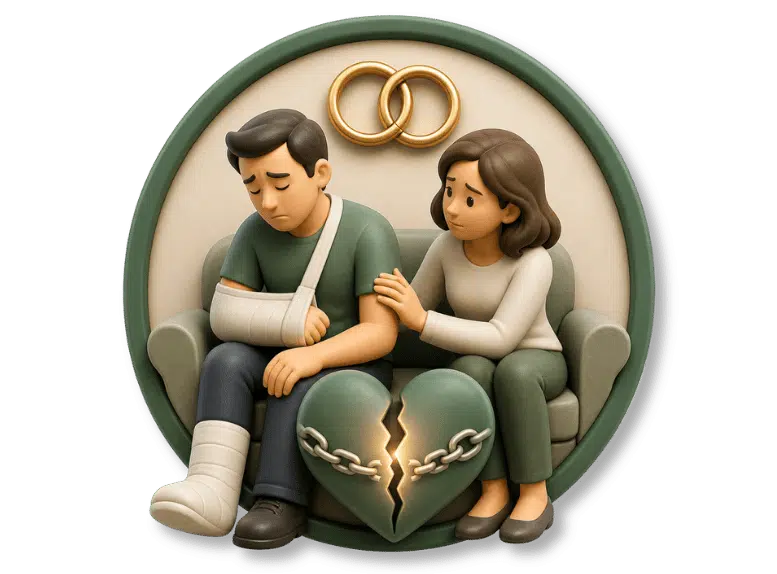
Loss of consortium refers to the deprivation of the benefits of a family relationship due to injuries caused by another party’s negligence. These benefits may include companionship, emotional support, affection, comfort, and, in some cases, intimacy.
It is typically claimed by the spouse of an injured person, though some jurisdictions allow claims by children or parents in certain circumstances.
Nature of Non-Economic Damages
Loss of consortium is classified as a non-economic damage, meaning it does not have a direct monetary value like medical bills or lost wages. Instead, it reflects the emotional and relational losses experienced by family members.
Because these damages are intangible, courts consider factors such as the severity of the injury, the impact on the relationship, and changes in daily life when determining value.
When Loss of Consortium Applies

Loss of consortium is most commonly included in cases involving severe or long-term injuries that significantly affect a person’s ability to maintain relationships. This may include injuries that result in disability, chronic pain, or emotional trauma.
The claim is typically connected to an underlying personal injury case and depends on proving that the injury directly impacted the relationship.
Who Can File a Loss of Consortium Claim
Spouses as Primary Claimants
In most cases, a spouse has the primary legal right to file a loss of consortium claim. The law recognizes marriage as a relationship involving companionship, emotional support, and, in many cases, intimacy. When an injury disrupts these aspects, the non-injured spouse may seek compensation for those losses.
Extended Eligibility in Some States
In certain jurisdictions, the right to file a claim may extend beyond spouses. Depending on state laws, the following individuals may also be eligible:
- Children, for the loss of a parent’s guidance, care, and emotional support
- Parents, for the loss of a child’s companionship or support
- Other close family members, in limited or specific circumstances
Legal Requirements and Limitations
Eligibility varies significantly by jurisdiction, and courts may impose specific requirements, such as:
- Proof of a legally recognized relationship (e.g., marriage)
- Evidence showing the strength and nature of the relationship
- Demonstration of how the injury directly impacted the relationship
Additionally, many jurisdictions do not recognize claims from unmarried partners, fiancés, or extended family members, even in long-term relationships.
Importance of State Law
Because rules differ by state, understanding local laws is essential in determining who can file a loss of consortium claim and what must be proven for it to succeed.
Common Situations Involving Loss of Consortium
Loss of consortium may arise in cases such as:
- Severe car accidents resulting in long-term disability, where injuries prevent the affected individual from participating in daily life or maintaining the same level of companionship and support within the relationship
- Catastrophic injuries affecting mobility or independence, such as spinal cord injuries or traumatic brain injuries, which can permanently change a person’s ability to engage physically and emotionally with loved ones
- Medical malpractice leading to lasting harm, including surgical errors or misdiagnosis that result in chronic conditions, reduced quality of life, or emotional strain on family relationships
- Workplace accidents causing permanent impairment, where injuries limit a person’s ability to contribute to family life, provide support, or maintain prior levels of interaction and connection
- Injuries that significantly alter emotional or physical relationships, including those that lead to chronic pain, psychological trauma, or loss of intimacy, affecting the overall quality and stability of the relationship
These situations often involve serious, long-term impacts that extend beyond the injured individual and deeply affect their spouse or family members.
Impact on Personal Injury Claims
Loss of consortium can increase the overall value of a personal injury claim by adding additional damages related to relationship harm. While these damages are harder to quantify, they are an important part of capturing the full impact of an injury.
Courts and insurance companies evaluate how the injury has affected the quality of the relationship over time.
Proving Loss of Consortium
To establish a loss of consortium claim, it must be shown that the injury caused a measurable decline in the quality of the relationship. This involves demonstrating how the injury has affected companionship, emotional support, intimacy, and overall family dynamics.
Evidence may include:
- Testimony from the spouse or family members, describing changes in the relationship, such as reduced communication, loss of companionship, or emotional strain
- Medical records detailing the severity of the injury, including diagnoses, treatment plans, and long-term limitations that impact daily life and interactions
- Documentation of lifestyle changes, such as the inability to participate in shared activities, changes in household responsibilities, or loss of independence
- Expert opinions from medical or psychological professionals, explaining the emotional, mental, or relational impact of the injury on both the injured individual and their family
- Personal records or journals, which may illustrate the progression of the relationship before and after the injury
The goal is to clearly demonstrate that the injury has directly and significantly altered the relationship, resulting in a loss of companionship, support, or connection that would not have occurred otherwise.
Legal Outcomes and Compensation
If loss of consortium is established, compensation may be awarded as part of a settlement or court judgment. The amount varies based on the severity of the injury and the extent of the relationship impact.
Because these damages are subjective, outcomes can differ widely between cases.
In some situations, individuals involved in personal injury claims may also explore financial support options—such as pre-settlement funding from companies like Express Legal Funding—to help manage expenses while their case is ongoing.
Frequently Asked Questions About Loss of Consortium Claims and Damages
Can Loss of Consortium Be Claimed Separately?
Loss of consortium is typically connected to the injured person’s main personal injury claim, but it is filed as a separate claim by the spouse or eligible family member. This means it is legally distinct, even though it depends on the success of the underlying injury case.
If the injured party’s claim fails, the loss of consortium claim will generally not succeed either. However, when valid, it allows the non-injured party to recover damages for the personal and relational impact of the injury.
What Evidence Is Needed to Prove Loss of Consortium?
To prove loss of consortium, you need evidence showing how the relationship changed due to the injury. This may include testimony from spouses, medical records, documentation of lifestyle changes, and expert opinions. Strong claims demonstrate a clear decline in companionship, emotional support, or intimacy directly caused by the injury.
Can Loss of Consortium Increase a Settlement Amount?
Yes, loss of consortium can increase a settlement amount. It adds non-economic damages related to relationship harm, such as loss of companionship and emotional support. While harder to quantify, these damages can significantly raise total compensation, especially in cases involving severe or long-term injuries that affect family life.
How Much Is a Loss of Consortium Claim Worth?
There is no fixed value for a loss of consortium claim. Compensation depends on factors such as the severity of the injury, the impact on the relationship, and the duration of the loss. Courts evaluate emotional harm, loss of companionship, and life changes, so awards can range from modest amounts to substantial damages in serious cases.
How Do Courts Calculate Loss of Consortium?
Courts calculate loss of consortium damages by evaluating the overall impact of the injury on the relationship. This includes factors such as the closeness of the relationship, the roles each person played, and how the injury has affected companionship, emotional support, and daily interactions.
The severity and permanence of the injury, as well as the age and life expectancy of those involved, may also be considered. Since these damages are non-economic, there is no fixed formula, and awards can vary significantly.
Is Loss of Consortium Available in Every State?
Most states recognize loss of consortium as a valid claim, but the specific rules vary widely. Differences may include who is eligible to file, what types of relationships are covered, and how damages are calculated.
Some states impose stricter requirements or limit claims to spouses only, while others may allow broader family claims. Because of these variations, it is important to understand the laws in the relevant jurisdiction.
Is There a Deadline to File a Loss of Consortium Claim?
Yes, there is a deadline to file a loss of consortium claim. It typically follows the statute of limitations for the underlying personal injury case, which varies by state. In many cases, this ranges from one to four years. Missing the deadline usually prevents recovery, making timely legal action essential.
Can a Loss of Consortium Claim Be Denied?
Yes, a loss of consortium claim can be denied. Common reasons include insufficient evidence, minor or temporary injuries, lack of a legally recognized relationship, or failure of the underlying personal injury claim. Because it is a derivative claim, it depends on proving both the injury and its impact on the relationship.
Do You Need a Lawyer for a Loss of Consortium Claim?
While not legally required, hiring a lawyer is strongly recommended for a loss of consortium claim. These cases involve complex legal standards and subjective damages. An attorney can help gather evidence, structure the claim properly, and negotiate with insurance companies, improving the chances of a successful outcome.
Does Loss of Consortium Apply in Wrongful Death Cases?
Yes, loss of consortium may also be included in wrongful death claims. In these cases, surviving family members—most commonly spouses—can seek compensation for the permanent loss of companionship, emotional support, and care resulting from the death.
Unlike personal injury cases, where the relationship is altered, wrongful death claims address the complete loss of that relationship, which can significantly affect the value of damages awarded.
Can Unmarried Partners Claim Loss of Consortium?
In most jurisdictions, only legally recognized spouses are eligible to file loss of consortium claims. Courts typically require a formal legal relationship, such as marriage, to establish eligibility.
However, some states may recognize claims from unmarried partners under limited circumstances, particularly if the relationship is legally recognized in another form. These exceptions are not common, so eligibility depends heavily on state law and specific case details.