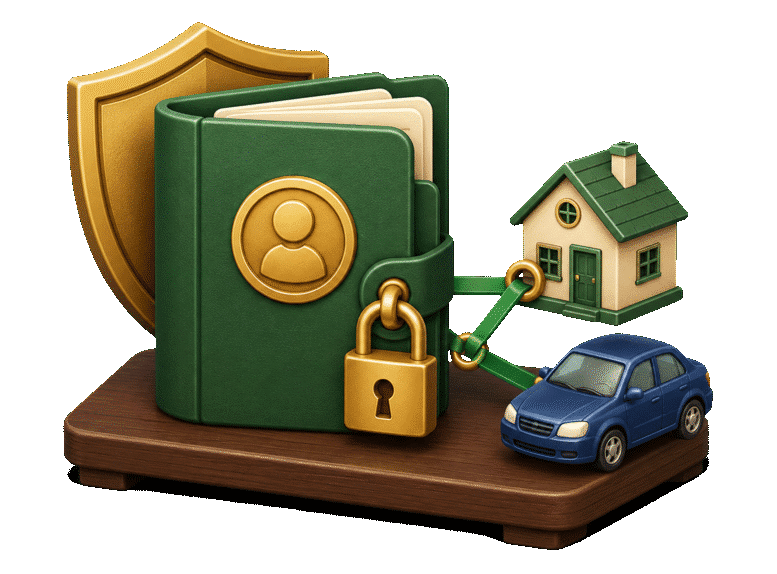
A secured creditor is a lender or business that has a legal claim against specific property (called collateral) if a borrower fails to repay a debt. Because the debt is backed by collateral, secured creditors typically have stronger legal protections than unsecured creditors and are often paid first if the borrower files for bankruptcy or defaults on the loan.
Common examples of secured creditors include mortgage lenders, auto loan companies, and banks that issue secured business loans.

How Does a Secured Creditor Work?
When someone borrows money, they may agree to pledge property as collateral. The borrower keeps possession of the property in most cases, but the creditor records a legal interest in the asset until the debt is fully paid.
The process generally works like this:
- The borrower receives a loan.
- The borrower pledges an asset as collateral.
- The creditor records or perfects its security interest when required by law.
- The borrower repays the debt according to the loan agreement.
- If the borrower defaults, the secured creditor may seize or sell the collateral to recover the outstanding balance.
Because the loan is secured, lenders often offer:
- Lower interest rates
- Higher borrowing limits
- Longer repayment terms
- Easier approval than comparable unsecured loans
Examples of Secured Creditors
Many everyday lenders are secured creditors.
Mortgage Lenders
When you purchase a home using a mortgage, the lender places a lien on the property. If you stop making payments, the lender may foreclose on the home.
Auto Loan Companies
Vehicle financing companies retain a security interest in the vehicle until the loan is paid off. Defaulting may result in repossession.
Banks
Banks frequently issue secured loans backed by:
- Savings accounts
- Certificates of deposit (CDs)
- Business equipment
- Inventory
- Commercial real estate
Equipment Financing Companies
Businesses often finance expensive machinery using the equipment itself as collateral.
Government Tax Authorities
In some situations, government agencies can obtain tax liens against property, giving them secured claims under applicable laws.
What Can Be Used as Collateral?
Many types of assets can secure a loan, including:
- Real estate
- Vehicles
- Business equipment
- Inventory
- Investment accounts
- Cash deposits
- Accounts receivable
- Machinery
- Agricultural equipment
- Valuable personal property
The type of collateral depends on the loan agreement and applicable state or federal laws.
Rights of a Secured Creditor
Secured creditors receive important legal protections that unsecured creditors generally do not.
These rights may include:
- Repossessing collateral after default
- Foreclosing on real estate
- Receiving payment before unsecured creditors during bankruptcy
- Filing or enforcing a lien
- Selling collateral to satisfy the debt
- Collecting any remaining deficiency balance when permitted by law
Although these rights are significant, creditors must still follow applicable state and federal laws governing debt collection, repossession, foreclosure, and bankruptcy.
Secured Creditor vs. Unsecured Creditor
The biggest difference is whether collateral backs the debt.
| Secured Creditor | Unsecured Creditor |
| Loan backed by collateral | No collateral |
| Lower lending risk | Higher lending risk |
| Can repossess collateral | Generally cannot seize property without first obtaining a judgment |
| Higher payment priority in bankruptcy | Usually paid after secured creditors |
| Often lower interest rates | Often higher interest rates |
Examples of unsecured creditors include:
- Credit card companies
- Medical providers
- Personal loan lenders
- Utility companies
- Collection agencies
What Happens If You Default?
Default occurs when a borrower fails to meet the loan agreement.
Depending on the type of secured debt, the creditor may:
- Begin foreclosure proceedings
- Repossess a vehicle
- Seize pledged collateral
- Sell the collateral to recover the unpaid balance
- Pursue additional legal remedies if allowed
The exact process varies depending on the loan agreement, state law, and the type of collateral involved.
Secured Creditors in Bankruptcy
Secured creditors generally receive stronger protection during bankruptcy proceedings because their claims are backed by collateral.
Depending on the bankruptcy chapter, they may:
- Continue receiving payments through a repayment plan
- Request permission to repossess collateral
- Receive proceeds from the sale of collateral
- Negotiate reaffirmation agreements
- Have portions of their claims treated differently if the collateral is worth less than the debt
However, bankruptcy courts can temporarily stop collection efforts through the automatic stay while the case is pending.
How Security Interests Are Created
Most secured creditors obtain legal rights through a security agreement, which identifies:
- The borrower
- The lender
- The debt
- The collateral securing the obligation
For many business transactions, lenders also “perfect” their security interest by filing a financing statement under the Uniform Commercial Code (UCC). Perfecting a security interest helps establish priority against other creditors.
Advantages of Secured Debt
Secured loans benefit both borrowers and lenders.
For Borrowers
- Lower interest rates
- Larger loan amounts
- Better approval odds
- Longer repayment periods
For Lenders
- Reduced financial risk
- Legal right to collateral
- Better recovery if default occurs
- Higher priority in bankruptcy
How Secured Creditors Can Affect Lawsuit Settlements
If someone receives money from a lawsuit, existing secured debts may affect how those funds are distributed.
For example, certain secured liens or legally enforceable claims may need to be addressed before the plaintiff receives the remaining proceeds. Whether a creditor has rights to settlement funds depends on the type of lien, applicable law, court orders, and the specific facts of the case.
Understanding your financial obligations before accepting a settlement can help avoid unexpected deductions or legal disputes.
Why This Matters for Pre-Settlement Funding
If you’re considering pre-settlement funding, understanding your outstanding debts is important.
While most traditional secured creditors have claims against specific collateral rather than lawsuit proceeds, certain liens or legal claims connected to your case may affect your final recovery.
A legal funding company can review your case and explain how existing obligations may interact with your settlement before funding is provided.
Frequently Asked Questions
Can a secured creditor take my property?
Yes. If you default on a secured loan, the creditor may repossess or foreclose on the collateral, provided they follow applicable laws and the terms of the loan agreement.
Are credit card companies secured creditors?
Most credit card companies are unsecured creditors because credit card debt is typically not backed by collateral.
Do secured creditors get paid first in bankruptcy?
In many bankruptcy cases, secured creditors have priority over unsecured creditors to the extent of the value of their collateral. The exact outcome depends on bankruptcy law and the specific facts of the case.
What is collateral?
Collateral is property pledged to secure repayment of a loan. It can include real estate, vehicles, equipment, inventory, investment accounts, or other valuable assets.
What happens if the collateral is worth less than the debt?
Depending on the circumstances and applicable law, the creditor may recover the collateral and, in some cases, seek payment for the remaining balance.
Can there be multiple secured creditors?
Yes. Multiple creditors can have security interests in the same property. Their payment priority generally depends on applicable law and when their interests were properly established or perfected.
Can a lawsuit settlement be used to pay secured creditors?
It depends. Some secured claims, liens, or court-ordered obligations may affect settlement proceeds, while many traditional secured loans are tied only to their specific collateral. Consulting an attorney can help determine how your settlement may be impacted.