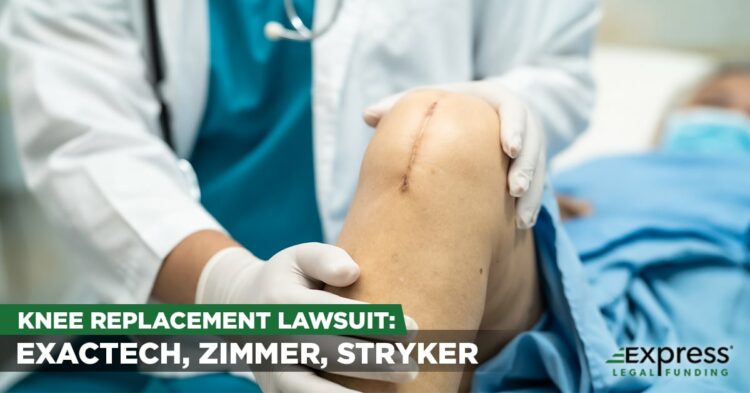

Hip replacement surgery is often presented as a life-changing solution—relief from chronic pain, improved mobility, and a return to normal life. For many patients, that promise holds true. But for others, the outcome is far from what they expected.
Instead of relief, they face complications like severe pain, infections, implant failure, or even the need for additional surgeries. When this happens, it’s important to understand something critical: these outcomes are not always unavoidable risks. In many cases, they may result from negligence, defective medical devices, or preventable errors.
If you’re dealing with complications, understanding your legal options is the first step toward pursuing a hip replacement lawsuit settlement and holding the responsible party accountable.
This guide breaks down the seven most common types of hip replacement cases you can sue for—and what it takes to prove each one.
How Much is a Hip Replacement Lawsuit Settlement Worth?

Hip replacement lawsuit settlements can vary widely depending on the details of the case, but many fall within a broad range of $50,000 to $300,000 or more. Higher payouts are possible in severe cases involving permanent disability, multiple revision surgeries, or clear evidence of negligence or a defective implant.
Several factors influence the final settlement amount:
- Severity of complications: Chronic pain, loss of mobility, or long-term damage can increase compensation.
- Need for revision surgery: Additional surgeries significantly raise medical costs and case value.
- Medical expenses: Hospital bills, rehabilitation, and ongoing care are key components.
- Lost income: Time away from work or reduced earning capacity impacts settlement size.
- Pain and suffering: Physical and emotional distress can add substantial value.
- Liability strength: Clear proof of defect or malpractice often leads to higher settlements.
Because every case is different, the best way to estimate your potential settlement is to review your medical records and legal options with an experienced attorney.
Why Understanding Your Hip Replacement Case Type Matters
Hip replacement claims are not all the same. Each case falls into a specific legal category, and that classification determines:
- Who is responsible
- What evidence is needed
- How compensation is calculated
Properly identifying your case strengthens your ability to pursue a fair hip replacement lawsuit settlement and helps your attorney build a more effective strategy from the beginning.
1. Defective Hip Implant Lawsuits

In some cases, the problem isn’t the surgeon—it’s the implant itself.
A defective hip implant may have a design flaw, manufacturing defect, or harmful materials that cause complications once inside the body.
Common Examples:
- Metal-on-metal implants releasing toxic debris (metallosis)
- Components that loosen or fracture prematurely
- Faulty locking mechanisms causing instability or dislocation
Legal Basis:
These cases fall under product liability law. You don’t need to prove the manufacturer intended harm—only that the product was defective and caused your injury.
Signs of a Defective Implant:
- Persistent or worsening pain after recovery
- Limited mobility despite therapy
- Clicking or grinding sensations
- Elevated metal levels in blood tests
A strong case involving a defective implant can significantly increase the value of a hip replacement lawsuit settlement, especially if revision surgery is required.
2. Hip Implant Recall Cases
Sometimes manufacturers or regulators (such as the FDA in the US) identify issues after implants are already in use. When a device is recalled, it can be a major indicator of liability.
What a Recall Means:
- The implant may fail prematurely
- There could be a higher risk of complications
- The manufacturer identified a safety concern
Why It Matters Legally:
A recall strengthens your case by showing the device had known risks. It can be powerful evidence when pursuing a Hip Replacement lawsuit settlement, particularly if the company delayed action.
Signs You May Have a Recall Case:
- Your implant model appears in a recall notice
- You were contacted by your provider about a recall
- You required revision surgery
Documentation of the implant model is essential here. Matching it to recall records can significantly impact your claim.
3. Surgical Error Claims
Not all complications come from faulty devices. Sometimes, errors during surgery are the root cause.
Common Surgical Errors:
- Misaligned implant placement
- Nerve damage
- Incorrect implant size selection
- Retained surgical instruments
Legal Framework:
These cases fall under medical malpractice. You must show the surgeon failed to meet the standard of care expected in similar situations.
Warning Signs:
- Immediate instability after surgery
- Unusual or persistent nerve pain
- Imaging showing improper placement
Surgical error claims can lead to a substantial hip replacement lawsuit settlement, especially when the mistake directly leads to long-term complications.
4. Infection After Hip Replacement

Infections are one of the most serious complications following hip replacement surgery. While some infections are unavoidable, many result from preventable failures.
Causes of Infection:
- Poor sterilization practices
- Contaminated equipment or implants
- Delayed diagnosis and treatment
Symptoms to Watch For:
- Fever and chills
- Redness or swelling around the incision
- Drainage or pus
- Increasing pain after initial recovery
Legal Considerations:
If negligence contributed to the infection, you may have grounds for compensation. Severe infections often require additional surgeries, increasing the value of a hip replacement lawsuit settlement.
5. Hip Implant Failure or Premature Wear

Hip implants are designed to last 15–20 years. When they fail much earlier, it raises serious concerns. That premature failure may be a legitimate reason for a lawsuit.
Reasons for Early Failure:
- Poor material quality
- Design defects
- Improper surgical placement
Symptoms of Implant Failure:
- Sudden pain after a period of stability
- Joint instability
- Grinding or clicking sounds
Why This Matters:
Early failure often points to either product liability or malpractice—or both. Cases involving premature failure frequently result in higher Hip Replacement lawsuit settlement outcomes due to the need for revision surgery.
6. Post-Operative Care Malpractice
Negligence doesn’t end in the operating room. Poor post-operative care can turn a manageable recovery into a serious medical issue.
Examples of Post-Op Negligence:
- Ignoring signs of infection or complications
- Inadequate follow-up care
- Unsafe rehabilitation practices
Legal Impact:
Healthcare providers have a duty to monitor recovery and respond to complications. When they fail, it can significantly affect your ability to recover and may justify a hip replacement lawsuit settlement.
What Helps Your Case:
- Detailed records of follow-up visits
- Documentation of symptoms
- Evidence of delayed or inadequate care
7. Wrongful Death from Hip Replacement Complications
In the most severe cases, complications can lead to death. These claims are typically filed by surviving family members.
Common Causes:
- Sepsis from infection
- Blood clots leading to pulmonary embolism
- Surgical errors
Legal Rights:
Families may pursue compensation for:
- Medical expenses
- Funeral costs
- Loss of income
- Emotional suffering
Wrongful death claims often result in significant hip replacement lawsuit settlement amounts due to the severity of the loss.
How to Strengthen Your Hip Replacement Lawsuit Claim for Damages
Regardless of the type of claim, strong evidence is key to securing a favorable outcome.
Important Steps:
- Keep All Medical Records and Reports
Maintain copies of all medical documents, including surgical reports, test results, prescriptions, and follow-up visit notes. These records serve as critical evidence in proving what went wrong and how your condition progressed over time. - Document Symptoms and Recovery Timeline
Track your symptoms daily, noting pain levels, mobility issues, and any changes in your condition throughout recovery. Creating a detailed timeline helps establish when complications began and how they have impacted your life. - Request Implant Identification Details
Ask your surgeon or hospital for the specific details of your hip implant, including the model, manufacturer, and serial number. This information is essential for identifying defects, checking recalls, and linking your case to known issues. - Seek a Second Medical Opinion
Consulting another qualified medical professional can provide an objective evaluation of your condition and confirm whether errors or complications occurred. A second opinion can also strengthen your case by offering expert insight into what should have been done differently.
The more organized your documentation, the stronger your position when pursuing a hip replacement lawsuit settlement.
Factors That Affect Hip Replacement Lawsuit Settlement Value

Not all cases result in the same compensation. Several factors influence the value of a hip replacement lawsuit settlement, including:
Severity of Injury
The extent of your injury plays a major role in determining compensation, as more serious harm typically leads to higher settlement values. Cases involving permanent damage, chronic pain, or life-altering complications tend to result in larger settlements.
Need for Revision Surgery
If your condition requires a second surgery to repair or replace the implant, it significantly increases the value of your claim. Revision procedures are often more complex, costly, and risky, which strengthens your case for higher compensation.
Long-Term Disability
When complications lead to lasting mobility issues or prevent you from returning to normal daily activities, the impact goes beyond short-term recovery. Long-term disability often justifies greater compensation because it affects your independence, quality of life, and future earning potential.
Medical Expenses
The total cost of your medical care—including surgeries, hospital stays, medications, and rehabilitation—is a key factor in your claim. Higher documented medical expenses generally support a stronger case for a larger settlement.
Lost Income
If your injury prevents you from working temporarily or permanently, you may be entitled to recover lost wages and reduced earning capacity. This includes not only the income you’ve already missed but also future earnings you may no longer be able to generate.
Pain and Suffering
Pain and suffering refer to the physical discomfort and emotional distress caused by your condition and its complications. While harder to quantify, this factor can significantly increase the overall value of a hip replacement lawsuit settlement when properly documented.
Cases involving multiple factors—such as a defective implant combined with surgical error—can significantly increase potential compensation.
Conclusion: Knowing Your Case Is the First Step to Compensation
Hip replacement complications can be overwhelming, but understanding your legal options gives you a clearer path forward. Whether your situation involves a defective implant, surgical error, or post-operative negligence, identifying your case type early helps you gather the right evidence and pursue a fair hip replacement lawsuit settlement with confidence.
While financial compensation can help cover long-term losses, many patients feel the strain long before their case is resolved. Medical bills, missed work, and everyday expenses can create serious pressure during the legal process.
In some situations, pre-settlement funding from Express Legal Funding may help bridge that gap by giving you access to money before your case ends. That added financial support can make it easier to stay current on essential expenses, avoid added stress, and focus on your recovery and legal next steps.
Frequently Asked Questions About Hip Replacement Lawsuit Settlements
What qualifies you for a hip replacement lawsuit?
Yes, you may qualify if your hip replacement caused unexpected complications due to negligence or a defective implant. Common qualifying factors include surgical errors, implant failure, infections, or recalled devices. To pursue a claim, you must show your injury resulted from preventable harm rather than normal surgical risks.
How do I know if my hip implant is defective?
You may have a defective implant if you experience ongoing pain, limited mobility, or complications shortly after surgery. Warning signs include metal toxicity, implant loosening, or early failure. Reviewing your implant model, medical records, and any recall notices can help determine whether a defect contributed to your condition.
How long do I have to file a hip replacement lawsuit?
It depends on your state’s statute of limitations, but most deadlines range from one to three years. The clock typically starts when you discover the injury or complication. Because exceptions may apply, it’s important to speak with an attorney quickly to avoid missing your filing deadline.
How much is the average hip replacement lawsuit settlement?
Hip replacement lawsuit settlements typically range from about $50,000 to $300,000 or more. Higher payouts are possible in cases involving severe injuries, permanent disability, or multiple surgeries. The final amount depends on medical costs, lost income, and the strength of evidence proving negligence or a defective implant.
Can I sue if my hip replacement failed years later?
Yes, you may still be able to sue if your hip replacement failed years later. Many cases involve delayed complications, such as implant wear or defects that surface over time. Eligibility depends on when the issue was discovered and whether it falls within your state’s legal filing timeframe.
What evidence is needed to prove a hip replacement lawsuit?
You need strong medical and legal evidence to support your claim. This typically includes medical records, surgical reports, imaging results, implant details, and expert witness testimony. Documentation showing complications, negligence, or a defective device is essential to proving liability and increasing your chances of a successful settlement.
How long does a hip replacement lawsuit take to settle?
Most hip replacement lawsuits take anywhere from several months to a few years to resolve. The timeline depends on the complexity of the case, severity of injuries, and whether it settles or goes to trial. Cases involving clear liability or recalls may resolve more quickly than disputed claims.
Can I file a lawsuit if my hip implant was recalled?
Yes, a recalled hip implant can strengthen your case. Recalls indicate known safety issues, which may support claims of defect or negligence. If your implant is linked to a recall and caused complications, you may be eligible for compensation, especially if you required revision surgery or experienced serious health problems.
Do I need a lawyer to file a hip replacement lawsuit?
No, but hiring a lawyer is highly recommended. Hip replacement lawsuits involve complex medical and legal issues, including proving negligence or product defects. An experienced attorney can gather evidence, handle negotiations, and improve your chances of securing a fair settlement while protecting your legal rights.
Can I get financial help while waiting for my settlement?
Yes, financial help may be available through options like pre-settlement funding. These advances provide access to money before your case resolves, helping cover medical bills and living expenses. Unlike traditional loans, repayment is typically contingent on winning your case, reducing financial risk during the legal process.