
September 2026 Update: The original Philips Respironics recall involving PE-PUR sound-abatement foam began in June 2021. Since then, Philips has completed substantial remediation work, entered into major U.S. settlements, and become subject to a federal consent decree governing its Respironics operations. The FDA also classified a separate recall involving Trilogy Evo-platform ventilators in April 2026. That newer recall concerns software and performance issues rather than the PE-PUR foam that prompted the original recall.
Millions of people rely on CPAP machines to treat sleep apnea, but a major recall of Philips Respironics devices has raised serious health concerns.
The recall, issued due to the potential inhalation of toxic foam particles, has left many users wondering about their legal options and whether they can seek compensation.
If you or a loved one has suffered health issues after using a recalled Philips CPAP machine, you may have a legal claim. This article breaks down the list of recalled devices, individual machine recall details, potential health risks, and what steps you can take if you’ve been affected.
Being aware of and knowing the details about the Philips recall are two very separate things for CPAP machine users, as there is a lot of information to process, especially when wanting to learn whether you can qualify for a replacement device or file a lawsuit against the manufacturer.
List of CPAP Machines in the Philips Recall
If you are a customer of Philips Respironics or Dreamstation devices, you might wonder if your CPAP machine is among the products the company has recalled.
We wrote this for you and anyone interested in learning about the CPAP and BiPAP device recall.
So here’s a list of the recalled devices with up-to-date details on each sleep apnea machine.
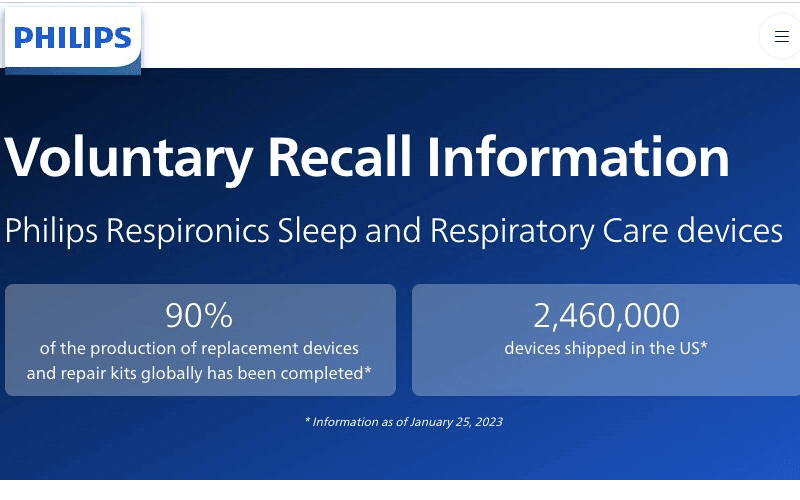
Note: Here’s a link to the Philips recall website. Info from Philips about the voluntary recall, along with other information on the replacement program and shipment of new Dreamstation 2 CPAP devices, can be found on Philips.com. You can also read the US Food and Drug Administration safety communication on FDA.gov.
#1: A-Series BiPAP A30
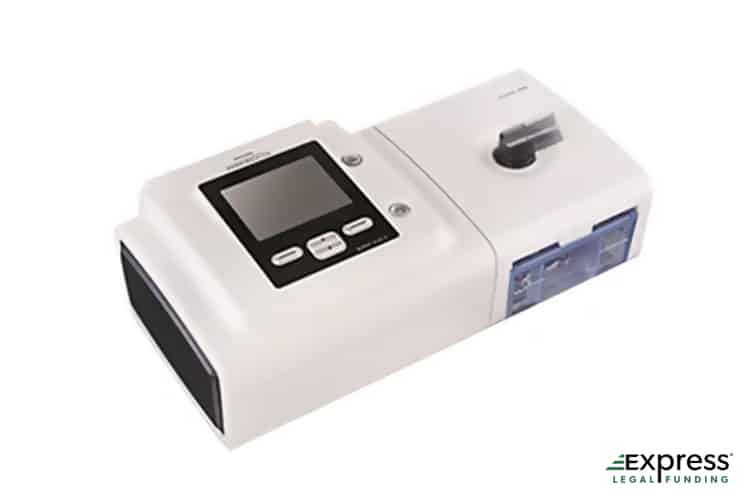
The BiPAP machine (bilevel Continuous Positive Airway Pressure) called the A30 ventilator is one of Philips’ main products from their A-series ventilator systems. The A30 is designed for home care settings and is available for purchase to anyone.
Unfortunately, Philips felt the situation required a Class 1 voluntary recall of the A-Series BiPAP Hybrid A30 to address concerns about plastic safety issues exposing patients to harmful chemicals unrelated to the Pe-Pur foam and its toxic gas.
How Many Philips A30 BiPAP Devices Are Recalled?
According to recent statistics, defective BiPAP A30 ventilators were among the 386 devices recalled. The defective A30s were sold between August 6th, 2020, and September 1st, 2021, and were marketed outside the US.
The Class 1 recall reports 8,047 affected devices are in commerce. So there are 8,047 devices recalled from overseas.
However, while Philips allegedly sold the products between these years, the CPAP recall affected products manufactured between 2009 and April 26th, 2021.
Users who purchased one of these products will likely receive a recall notification in the mail.
#2: A-Series BiPAP A40
The BiPAP A40 ventilator device is another of Philips’ A-series, and the next model up from the A30 mentioned earlier.
Despite being a later model, the A40 and A30 units are available, so Philips’ customers can select the product that fits their needs and finances.
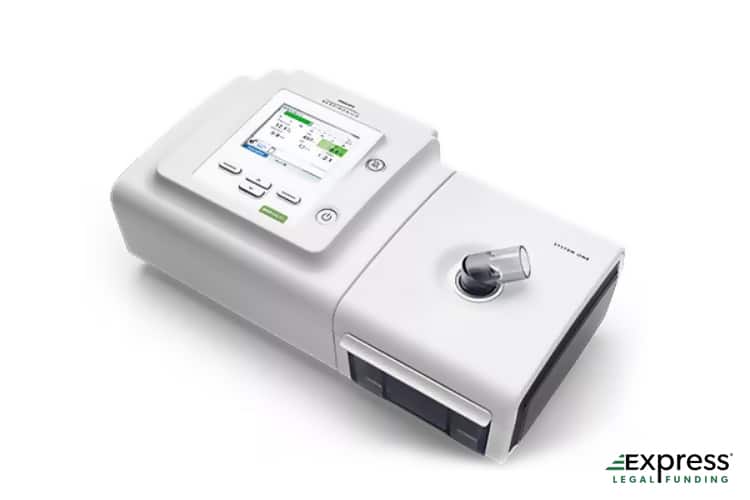
How Many of the A40 BiPAP Machines Are Recalled?
The A40 line of Philips ventilators is distinct in that they are used in home and clinical care environments, unlike the A30. Like the A30, the A40 units were part of the June recall of 386 Philips products.
Unfortunately, the exact number of A40 units sold versus the A30 is not readily available to the public.
#3: A-Series BiPAP V30
The V30 BiPAP device is similar to the A30 but is exclusively used in clinical environments and is not available for private ownership.
While citizens can purchase the A30 and A40 models, the V30s are considered clinical medical equipment and held to a higher standard than equipment sold to the general public.
That means the recall of the V30 ventilators only applies to medical facilities with these units for their patients.
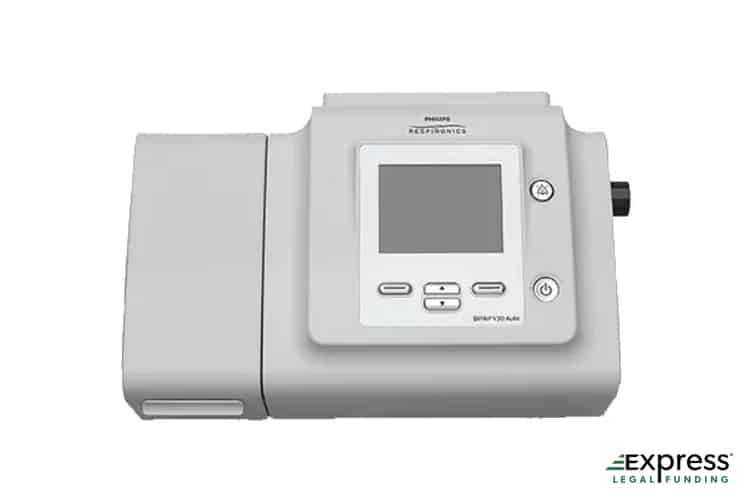
How Many of the V30 BiPAP Devices Are Part of the Recall?
The V30 ventilators were initially part of a less severe Class 2 recall before being part of a second and most serious Class 1 recall.
The Class 1 recall for the BiPAP V30, which is the most severe type of medical device recall, was issued by Philips on August 26th, 2022, and recalled 295 units, while the less severe Class 2 recall was from April 6th, 2021, and recalled 22 units.
Philips V30 BiPAP Machines Class 2 Recall
Unfortunately, exposure to the off-gassing of volatile organic compounds is not the only reason for the Class 2 recall.
V30 Bilevel PAP Design Defect Caused Sudden Failure
The recalled device had a design defect, which caused the sudden failure of the ventilator device and the BiPAP V30 to go into an inoperative condition.
Bi-level PAP design issues that stop airflow are serious health risks that can cause asphyxia if not immediately identified and addressed by a healthcare provider. It can be deadly for the sleep apnea patient when it stops working.
#4: Trilogy Evo Ventilator
One of the more interesting product lines Philips manufactures is the Trilogy series of ventilators that have become a staple of their business. The Trilogy Evo models are non-invasive and extremely popular among sleep apnea patients, as they were created with travel and mobility in mind.
The Trilogy EVO CPAP machine is very durable and has a long, 15-hour battery life.
Unfortunately, the Trilogy EVO was just as susceptible to the Pe-Pur sound abatement foam as other CPAP machines in a Philips recall.
However, what makes the EVO CPAP machine unique where device recalls are concerned is, as of now, only EVO models manufactured and distributed between April 15th and May 24th of 2021 have been recalled.
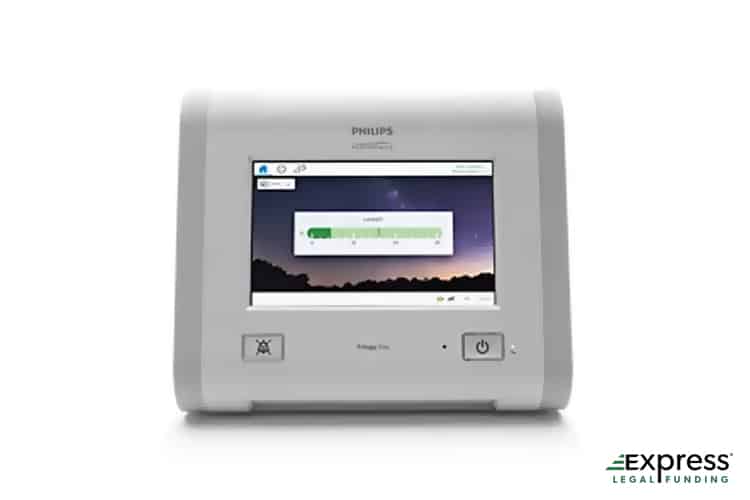
Earlier Trilogy Evo Recall Involving PE-PUR Foam
Because of the inconsistencies with the Trilogy Evo ventilators, the FDA has a database that contains serial numbers to help the public determine if their unit was affected by the Pe-Pur foam and is part of the Class 1 recall.
FDA database for Class 1 Device Recall Trilogy EVO: DS2110X11B (US Distribution)
2026 Philips Trilogy Evo Class I Recall
In April 2026, the FDA classified a separate recall involving Trilogy Evo, Trilogy Evo O2, Trilogy Evo Universal, and Trilogy EV300 ventilators. This recall is not the same as the original 2021 PE-PUR foam recall.
The 2026 action applies to approximately 113,717 devices distributed worldwide. According to the FDA, identified concerns include circumstances in which an obstruction alarm may not activate within the required timeframe, aerosol deposits may affect an internal flow sensor, and the use of certain non-pneumatic nebulizers may result in patients receiving less tidal volume than intended.
Philips instructed affected customers to review the latest safety notice and user-manual addendum, install the applicable software update, and follow the company’s revised nebulizer guidance. Patients and caregivers should not independently discontinue or change life-sustaining ventilation therapy without first speaking with the prescribing healthcare professional.
As of September 2026, the FDA lists this Class I recall as open, meaning not all affected products have been corrected or removed. The current recall status and manufacturer instructions are available through the FDA’s Trilogy Evo recall record.
Where in the US Did Philips Distribute the Recalled Trilogy Evo CPAP Device?
Philips distributed the affected Trilogy EVO devices in the Class 1 recall to the following 16 US states during those five weeks:
- Arkansas
- Colorado
- Florida
- Iowa
- Illinois
- Kentucky
- Louisiana
- Michigan
- Montana
- Ohio
- Pennsylvania
- Tennessee
- Texas
- Utah
- Virginia
- West Virginia
- Wyoming
According to the FDA reports, 205 ventilators and 51 repair kits were recalled in the US when the current Class 1 recall was posted on January 26, 2022.
Where Outside the US Did Philips Distribute Its Recalled Trilogy Evo CPAP Machines?
The affected Trilogy Evo devices were distributed to the following countries outside the United States:
- Argentina
- Brazil
- Romania
- Netherlands
How Many Trilogy Evo CPAP Devices Are Part of the Recall?
The worldwide distribution quantity in commerce of the Trilogy Evo devices is much higher, as there are 473 devices and 205 Evo repair kits being recalled by Philips.
#5: Trilogy 100 and 200
These mechanical ventilator devices are from the same general line as the Trilogy Evo series. Still, the Trilogy 100 and 200 series are less advanced models geared towards less mobile and more impacted patients.
Reworked Respironics Trilogy 100 and 200 Models
The Trilogy 100 and 200 models had the same PE-PUR sound abatement foam issue as the Trilogy Evo, except after being reworked after the first device recall, an additional recall was applied to certain reworked Trilogy 100 and 200 devices.
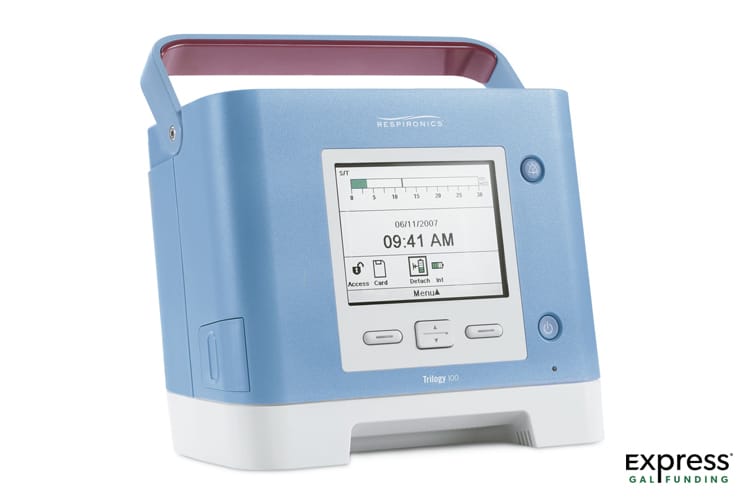
Philips Recall Due to Silicone Foam Adhesion Failure and Residual Pe-Pur Foam Debris
The second recall was that Philips recalled devices that had been in use between March 1, 2022, and September 6, 2022.
The issue that necessitated the reworked device recall is that when Philips replaced the dangerous Pe-Pur with the new, nonharmful sound abatement foam, they had silicone adhesion failure because they left residual Pe-Pur foam while doing the repair.
So, the reworked ventilators posed a new health risk due to residual Pe-Pur foam, causing silicone adhesion failure.
Updated to Class 1 Device Recall
The FDA updated the recall to a Class 1 in January 2023. Still, due to the type of patient using the ventilator device, the FDA did not instruct immediate discontinuation of use.
Instead, patients or their in-home caregivers should contact the healthcare provider responsible for their respiratory care for direction.
How Many of the Trilogy 100 and 200 Ventilators Are Recalled?
Currently, there are 13,811 distributed Trilogy 100 and 200 ventilators in the United States affected by the recall.
An additional 7,544 defective ventilators were distributed on the foreign market.
However, fewer injuries have been reported by users outside the US, according to the US Food and Drug Administration’s (FDA) research.
#6: Additional Models
The largest Class 1 recall of Philips products consists of 5 different devices combined into a single recall. These five products include:
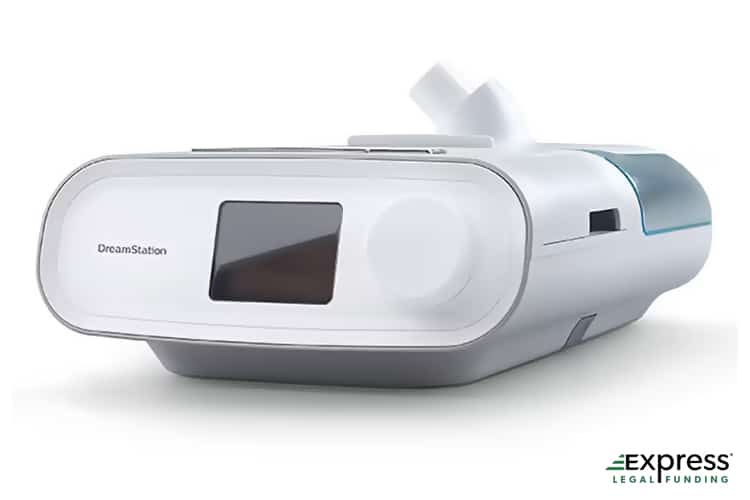
- DreamStation CPAP: A standard bi-level PAP ventilator that Philips made available for retail sale directly to consumers with a physician’s prescription.
- DreamStation Go: A versatile CPAP machine. The Go CPAP device is a portable alternative to the DreamStation designed to travel with the sleep apnea patient and includes accessories that require regular replacement.
- Dorma 400: This older ventilator is produced by Philips for sleep apnea patients outside the US, such as in Canada and Germany. The device includes a humidifier. The Dorma 400 Philips Respironics CPAP device has discontinued distribution.
- Dorma 500: The updated model of the Dorma 400 sleep apnea ventilator. Philips Respironics distributes the Dorma 500 CPAP machine internationally.
- REMstar SE Auto CPAP: The REMstar SE CPAP is marketed as an inexpensive ventilator for people with sleep apnea who need an entry-level CPAP price.
All five of these affected device lines suffered serious issues and presented potential health risks that endangered its users and triggered the most catastrophic recall in Philips’ history.
How Many Philips CPAP Machines Are Part of the Recall?
Philips initiated the original recall on June 14, 2021. It affected millions of CPAP, BiPAP, and mechanical ventilator devices manufactured before April 26, 2021, making it one of the largest medical-device recalls of its kind.
Affected product families included certain:
- DreamStation CPAP and BiPAP devices
- DreamStation Go devices
- SystemOne Q-Series devices
- C-Series ventilators
- OmniLab Advanced Plus devices
- E30 ventilators
- Trilogy 100 and Trilogy 200 ventilators
- A-Series BiPAP ventilators
- Other international models identified by Philips and the FDA
Not every Philips respiratory device was included, and later recalls may involve different defects, production periods, or corrective actions. Device owners should verify the model and serial number through official Philips or FDA resources instead of relying only on a general product list.
The original article previously stated that Philips might enter bankruptcy. That speculation is now outdated. Philips remains in business, although its Respironics operations are subject to a federal consent decree and continuing FDA oversight.ilips. Knowing which CPAP ventilators are being recalled is extremely important since you might currently own such a unit.
However, there are other details you must consider before submitting the product you own to a recall order.
Why Are Philips Products Being Recalled?
The sheer number of Philips devices being recalled brings an essential question to the forefront that must be answered. Why are these products being recalled, and how does it affect the users? Philips’ recalled CPAP devices use a polyester-based polyurethane (Pe-Pur) foam for sound reduction.
This sound abatement foam helps muffle the sound Philips CPAP machines generate while in use, so they do not disrupt the user’s sleep or wake those sleeping in the same area.
Noise reduction (especially in a medical device that forces continuous bi-level positive airway pressure) is essential since it would otherwise be unbearably loud when the user is trying to sleep.
Unfortunately, the Pe-Pur used in Philips’ product is defective, making it a hazard for users and those who assist with their at-home healthcare.
Pe-Pur Foam Contains Diethylene Glycol
The recalled devices contained polyester-based polyurethane, or PE-PUR, foam intended to reduce sound and vibration. Philips and the FDA reported that the foam could break down, potentially allowing users to inhale or swallow foam particles. The foam could also release certain volatile organic compounds.
The FDA identified potential risks that included irritation of the skin, eyes, and respiratory tract; headache; asthma; inflammatory responses; toxic effects involving organs; and possible carcinogenic effects. These were identified as potential hazards and do not establish that every user was exposed or that a recalled device caused a particular illness.
Heat, humidity, device age, and the use of ozone-based cleaners may increase the likelihood of foam degradation. Patients who experience unusual symptoms should speak with a healthcare professional and report suspected device problems through the FDA’s MedWatch program.
Patients should not stop medically necessary CPAP, BiPAP, or ventilator treatment without consulting their healthcare provider. The risks of interrupting respiratory treatment may be greater than the potential risks of continuing to use a recalled device in some situations.
What Legal Options Exist for Philips CPAP Victims?
Whenever an injury is caused by defective products or negligence of a corporate entity, those harmed can number in the hundreds to even millions. This abundance of victims is typically increased when caused by a long-trusted manufacturer.
Depending on the product type and behavior of the company responsible, it can devastate or even destroy our faith in them.
Worse, that becomes a moot point for those with debilitating injuries, which have lifelong complications, impacting the quality of life and sometimes ending lives.
Regardless, the expenses for medical care, healthcare providers, and becoming disabled are substantial, and being financially responsible for the loss caused by a company’s alleged negligence and alleged faulty products is unfair, not to mention debilitating.
CPAP Recall Victims Can File a CPAP Lawsuit and Sue Philips
Fortunately, legal options exist that are already being used by victims of the Philips CPAP recall. Lawyers and plaintiffs can seek to hold a company financially responsible by filing lawsuits for the harm they suffered.
In the case of the CPAP devices, plaintiffs are suing Philips for the injuries they suffered from using an affected device with the Pe-Pur foam.
While you might be familiar with filing lawsuits for motor vehicle injuries or slip-and-fall incidents, filing a claim against a multi-national conglomerate like Philips, not your typical company, is a different experience, especially when so many others suffered alongside you.
While it only takes a single victim to file a personal injury or product liability claim against a company to seek compensation, issues as widespread as the Philips recall situation affect multiple people simultaneously.
That makes things more complicated yet more accessible at the same time.
While you might be familiar with filing lawsuits for motor vehicle injuries or slip-and-fall incidents, filing a claim against a multi-national conglomerate like Philips, not your typical company, is a different experience, especially when so many others suffered alongside you.

Already, hundreds of people allege they were harmed by using their CPAP machine or BiPAP device, and they have filed a claim against Philips for compensation. However, the sheer number of claims has transformed them from multiple individual lawsuits into a single MDL lawsuit against the Philips company.
Philips CPAP Recall Lawsuit and Settlement Update
Personal injury claims involving recalled Philips Respironics devices were coordinated in multidistrict litigation known as In re Philips Recalled CPAP, Bi-Level PAP, and Mechanical Ventilator Products Liability Litigation, MDL No. 3014, in the U.S. District Court for the Western District of Pennsylvania.
Multidistrict litigation is not automatically a class action. It allows federal lawsuits involving similar allegations to share pretrial proceedings while preserving the individual nature of many plaintiffs’ claims.
In May 2024, Philips and plaintiffs’ negotiating counsel entered into a Master Settlement Agreement intended to resolve qualifying personal injury and wrongful death claims. Philips agreed to fund the personal injury settlement program with approximately $1.05 billion. An additional $25 million was allocated to a medical-monitoring program, bringing the announced value to approximately $1.075 billion.
The personal injury settlement is no longer merely tentative. However, it was not automatically available to every person who used a recalled machine. Participating claimants had to satisfy the program’s eligibility requirements and meet several deadlines.
Represented claimants generally had to be identified by qualifying counsel by June 21, 2024, and submit their registration materials by January 31, 2025. The deadline for certain Extraordinary Injury Fund applications was August 1, 2025. People who missed these deadlines should speak directly with their attorney rather than assume they can still join the program.
Current participants can find documents and program information through the official Philips Respironics Personal Injury Settlement website.
Philips CPAP Economic-Loss Settlement
Philips also agreed to a separate economic-loss class-action settlement valued at at least $479 million. That settlement addressed financial losses associated with recalled devices, such as device-payment awards, device returns, and certain replacement-related expenses.
The economic-loss settlement was separate from the personal injury settlement. Receiving compensation for the value of a machine was not the same as receiving compensation for an alleged physical injury.
Deadlines for submitting claims to the economic-loss settlement have passed. Consumers should be cautious of websites or callers suggesting they can still submit an ordinary claim to the closed settlement program.
Is There a Recall of ResMed CPAP Machines?
No, as of this time, there is no FDA recall of the ResMed brand of CPAP ventilator devices, so sleep apnea patients can continue to use them as directed by their healthcare provider. Philips and the California-based ResMed company are not connected. The Philips recall has no bearing on the safety of the ResMed ventilators.
This has been iterated by Mick Ferrel, CEO of ResMed, who released a statement that included, “…I want to reassure our patients, providers, physicians, and communities that ResMed devices are safe to use and are not subject to Philips’ recall.”
Closing Statements on the Recalled Philips CPAP Machine
The issue with Philips’ products has caused significant pain and suffering to those who inhaled the Pe-Pur gases. The sheer number of products affected by this design issue is horrifying.
A widespread problem like this can destroy people’s faith in a significant company like Philips, with the lawsuit exacerbating any concern it might generate.
If a Philips product has injured you or a loved one, you might be dealing with feelings of depression and betrayal, but the worst part is that you are left coping with financial struggles outside the lawsuit.
Unfortunately, the cost of living is not deferred over a suit or other issues, meaning you might need some financial assistance.

Can Philips CPAP Claimants Still Receive Legal Funding?
The Philips Respironics personal injury settlement program has moved beyond the early litigation stage, but some participating claimants may still be waiting for claim evaluation, lien resolution, or final payment.
Whether legal funding remains available depends on the individual claim. A funding company may need the claimant’s attorney to confirm settlement-program eligibility, the expected award, existing liens, prior funding balances, and the amount likely to remain for the claimant.
A person who merely owned a recalled machine or participated only in the economic-loss class action may not have an individual recovery large enough to support pre-settlement funding. Eligibility is not based solely on inclusion in a recall.
Express Legal Funding evaluates applications individually. Approval, availability, and funding amounts depend on the claim, attorney cooperation, applicable law, underwriting review, and the final agreement. Pre-settlement funding is generally non-recourse, meaning repayment ordinarily comes from a qualifying legal recovery, subject to the agreement. Any advance and fees reduce the claimant’s final proceeds.
People already enrolled in the Philips Respironics personal injury settlement program should speak with their attorney before applying. The attorney can explain the claim’s current status and whether unresolved liens or settlement requirements could affect funding.