
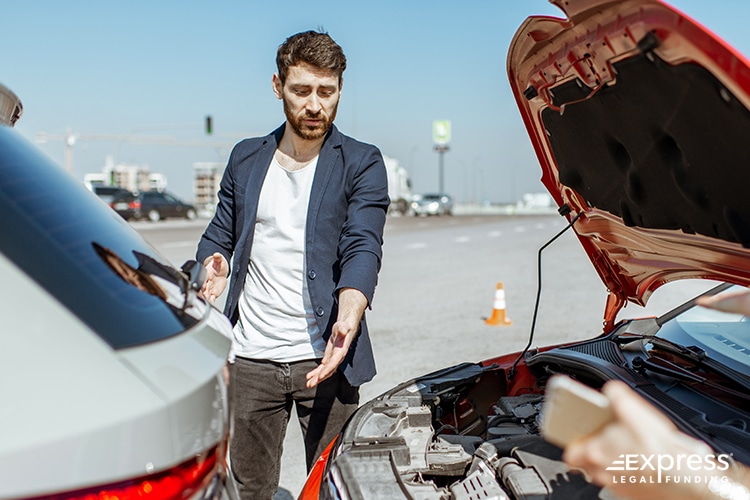
When another driver refuses to provide insurance information after an accident, do not argue with them or attempt to force them to cooperate. Move to a safe location, document the vehicle and driver, contact law enforcement when appropriate, and notify your insurance company.
Refusing to share information does not prevent you from reporting the crash or pursuing a claim. The police report, license plate, photographs, witnesses, and your insurer’s investigation may help identify the driver and determine whether valid coverage exists.
This guide explains what information to collect, how uninsured and underinsured motorist coverage may apply, and whether pre-settlement funding could be available if you have an injury claim.
Is a Driver Required to Provide Insurance Information After an Accident?
State laws generally require drivers involved in qualifying accidents to stop and exchange certain identifying information. Depending on the state, this may include names, addresses, vehicle registration details, driver’s license information, and evidence of financial responsibility or insurance.
These duties usually apply before anyone makes a final determination of fault. A driver who refuses to exchange required information may face penalties, but refusal alone is not automatically the same as hit-and-run. Hit-and-run laws generally concern leaving the scene or failing to perform legally required duties after a collision.
Because the precise requirements and penalties vary, avoid telling the other driver what crime they may have committed. Contact law enforcement and allow the responding agency to address the refusal.
Why Would a Driver Refuse?
A driver may refuse because they are uninsured, their policy has expired, they do not have the documents available, they are driving someone else’s vehicle, or they fear the financial or legal consequences of the accident.
Do not assume that refusal proves the driver lacks insurance or caused the collision. Coverage may exist through the vehicle owner, driver, employer, household policy, or another applicable source. Your insurer or attorney can investigate after obtaining identifying information.
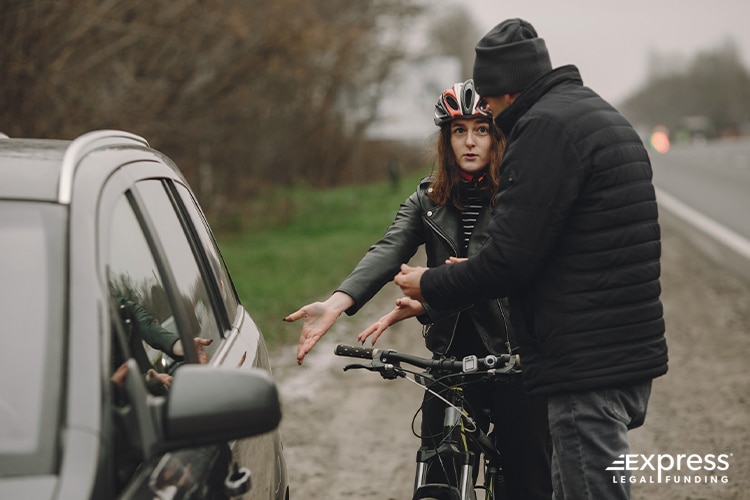
What to Do if the Other Driver Refuses to Give Insurance Information?
- Contact the Authorities: Immediately call the police to report the incident. An official report will document the other driver’s refusal to share insurance information and support your claim.
- Gather and Document Evidence: Collect as much information as possible at the scene, including photos of both vehicles, the license plate, and any visible damage. Witness contact details can also be valuable.
- Notify Your Insurance Company: Inform your insurer about the accident promptly, especially if the other driver is uncooperative. They can guide you through the next steps and help with any uninsured motorist claims if needed.
- Consult an Attorney for Legal Advice: Consider seeking a free consultation with a car accident attorney. An attorney can protect your rights, assist in gathering evidence, and manage any challenges with the other driver’s insurance—or lack thereof—to help you pursue compensation.
Step #1: Contact Law Enforcement
Call 911 if someone is injured, traffic is blocked, the other driver appears impaired, the driver becomes threatening, or the vehicle leaves the scene. For a minor accident without an emergency, the local agency may direct you to a nonemergency number, online report, or exchange-of-information procedure.
Tell the dispatcher that the other driver refuses to provide the required information. Do not block the vehicle, take the driver’s documents, or escalate the confrontation. Police-response policies differ, and an officer may not always come to a minor collision.
If officers respond, request the report or incident number. The report can help document the collision and refusal, but it does not necessarily determine legal fault or guarantee that valid insurance will be located.

#2: Document the Vehicle, Driver, and Scene
From a safe position, photograph or record:
- The license plate and issuing state.
- The vehicle’s make, model, color, and visible damage.
- The other driver, if doing so is safe and lawful.
- Both vehicles’ positions and the surrounding roadway.
- Traffic signs, signals, skid marks, debris, and weather conditions.
- Your injuries and damaged personal property.
- Witness names and contact details.
Preserve dashcam footage, phone videos, messages, and receipts related to the accident. Provide this information to law enforcement, your insurer, and your attorney rather than attempting to locate or confront the driver yourself.
Step #3: Notify Your Insurance Company
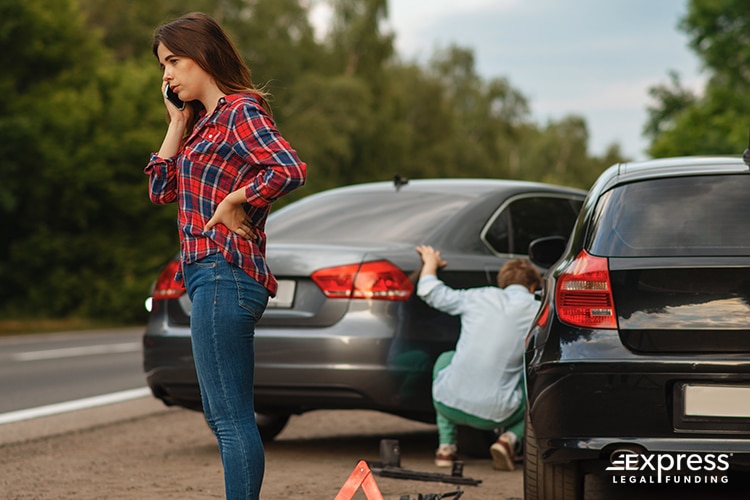
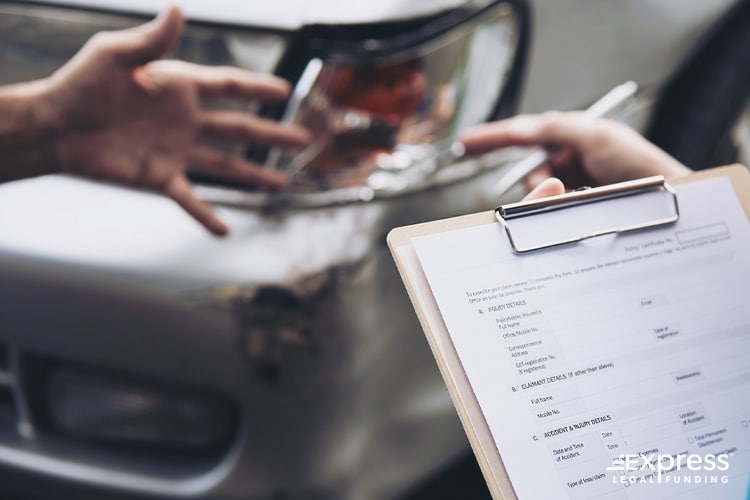
Report the accident promptly and explain that the other driver refused to provide insurance information. Give the insurer the license plate, police-report number, photographs, witness details, and all information you collected.
Ask which parts of your policy may apply. Depending on your state and coverage, these could include:
- Collision coverage for vehicle damage.
- Medical payments coverage or personal injury protection.
- Uninsured motorist bodily injury coverage.
- Underinsured motorist bodily injury coverage.
- Uninsured motorist property damage coverage.
These coverages are not interchangeable. Uninsured motorist bodily injury coverage does not automatically pay for vehicle repairs, and uninsured motorist property damage is not offered or required everywhere. The National Association of Insurance Commissioners notes that auto-insurance requirements and uninsured-motorist protections vary by jurisdiction.
Keep the claim number, adjuster’s information, repair estimates, medical bills, and copies of every communication.
Step #4: Consult a Car Accident Attorney if You Were Injured
Consider speaking with an attorney if you suffered significant injuries, the driver fled, insurance coverage is disputed, your uninsured motorist claim was denied, or several policies may apply.
An attorney may help obtain the police report, identify the vehicle owner, investigate potential coverage, preserve video evidence, document damages, and communicate with the insurers. No attorney can guarantee compensation or a particular settlement amount.
What if the Other Driver Is Uninsured?
A refusal to provide an insurance card does not establish that the driver is uninsured. Your insurer or attorney may be able to verify coverage using the police report, vehicle registration, license plate, or information obtained during the claims process.
If no applicable liability insurance exists, uninsured motorist bodily injury coverage may compensate you for covered injuries, subject to your policy and state law. Collision coverage may address vehicle damage, while uninsured motorist property damage may apply in jurisdictions and policies where it is available.
You may also have claims involving the vehicle owner, the driver’s employer, a rideshare company, or another responsible party. Suing the uninsured driver personally may be legally possible, but obtaining a judgment does not guarantee collection if the driver lacks income or reachable assets.
How Do No-Fault Insurance Rules Affect the Claim?
No-fault insurance generally concerns injury benefits—not responsibility for vehicle damage. In a no-fault system, personal injury protection may pay certain medical expenses or lost-income benefits through your own insurer regardless of who caused the collision.
Property-damage claims ordinarily remain fault-based. The responsible driver’s property-damage liability coverage or your own collision coverage may pay for vehicle repairs, depending on the circumstances.
Some no-fault states restrict bodily injury lawsuits unless the claimant satisfies a monetary or injury-severity threshold. The rules and available benefits differ substantially by state, so ask your insurer or attorney which system governs your accident.
Do not include a fixed list of no-fault states. State laws and classifications can change, and some jurisdictions use optional or choice-based systems.
Can I Get Pre-Settlement Funding if the Other Driver Refused to Provide Insurance?
Possibly. Refusal at the scene does not automatically prevent pre-settlement funding. What matters is whether your attorney can identify a viable injury claim and a likely source of recovery.
That recovery could come from the other driver’s eventual liability coverage, the vehicle owner’s policy, an employer or commercial policy, your uninsured or underinsured motorist coverage, or another responsible party. A funding company will also consider liability evidence, documented injuries, treatment, policy limits, medical liens, attorney fees, prior funding, and your expected net recovery.
If no insurance, responsible third party, or collectible assets can be identified, funding will be difficult because there may be no reliable recovery from which the advance could be repaid. Approval is not guaranteed, and the advance and its fees will reduce the compensation you ultimately receive.
Closing Statements
If another driver refuses to provide insurance information, remain calm, contact law enforcement when appropriate, document the vehicle and scene, and notify your insurer promptly. Refusal does not eliminate your ability to pursue a claim, but identifying valid insurance or another recovery source may require additional investigation.
If you have an attorney and a viable injury claim, Express Legal Funding can review whether pre-settlement funding may help with essential expenses while the case continues. Funding is generally non-recourse, subject to applicable law and the agreement, but approval is not guaranteed, and the advance and fees reduce your final recovery.
FAQs About Handling Uninsured Drivers and No-Fault Claims
Frequently Asked Questions
What if the other driver says the car belongs to a relative and refuses to provide the owner’s information?
Photograph the license plate and provide it to the police, your insurer, and your attorney. Coverage may exist through the vehicle owner’s policy even if the person driving was not the owner, although permission, household exclusions, and policy terms can affect whether the claim is covered.
What if the driver who hit me was working or making a delivery?
Tell your insurer and attorney what the driver said, and document any company logos, uniforms, delivery items, or commercial markings. If the driver was acting within the scope of employment, the employer or a commercial insurance policy may provide another source of recovery.
What if the other driver offers to pay cash instead of exchanging insurance information?
Do not rely on an informal cash promise or agree that the matter is resolved at the scene. Injuries and repair costs may be more serious than they initially appear, so document the accident, report it, and avoid signing a release or accepting a final payment before understanding the full damage.
What if I was a passenger and neither driver will provide insurance information?
Collect identifying information for both vehicles and drivers if you can do so safely, then obtain the police report and notify your own insurer. Depending on who caused the accident, you may have a claim against one or both drivers, and coverage under your own policy or a household policy may also apply.
What if the driver provides an insurance card, but the insurer says the vehicle was excluded from the policy?
Ask for the coverage decision in writing and give it to your attorney and insurer. An exclusion does not always end the investigation because coverage may exist through the vehicle owner, another household policy, an employer, a rental company, or your own uninsured motorist protection.